
Why brochure prices change from one job to the next
Two brochures that look similar at first glance can price very differently. A 2 page folded handout, a 4 page self cover booklet and an 8 page stitched brochure all use different amounts of paper, setup time and finishing. That is why the first question is not always how many copies, but what format suits the message and the budget.
For Randfontein businesses, speed matters too. A same-day digital run for a sales visit in Krugersdorp or a site meeting in Westonaria usually needs cleaner artwork, fewer corrections and a tighter production window. The more prepared the files are, the less time is lost in proofing and rework.
Brochure run pricing is also influenced by whether the job is a quick digital print or a larger quantity that may need a different production method. Short runs are often better for launches, price changes, tender packs and events. Larger runs can lower the unit cost, but only when the content will stay current long enough to justify the extra copies.
Page count and fold style set the base cost
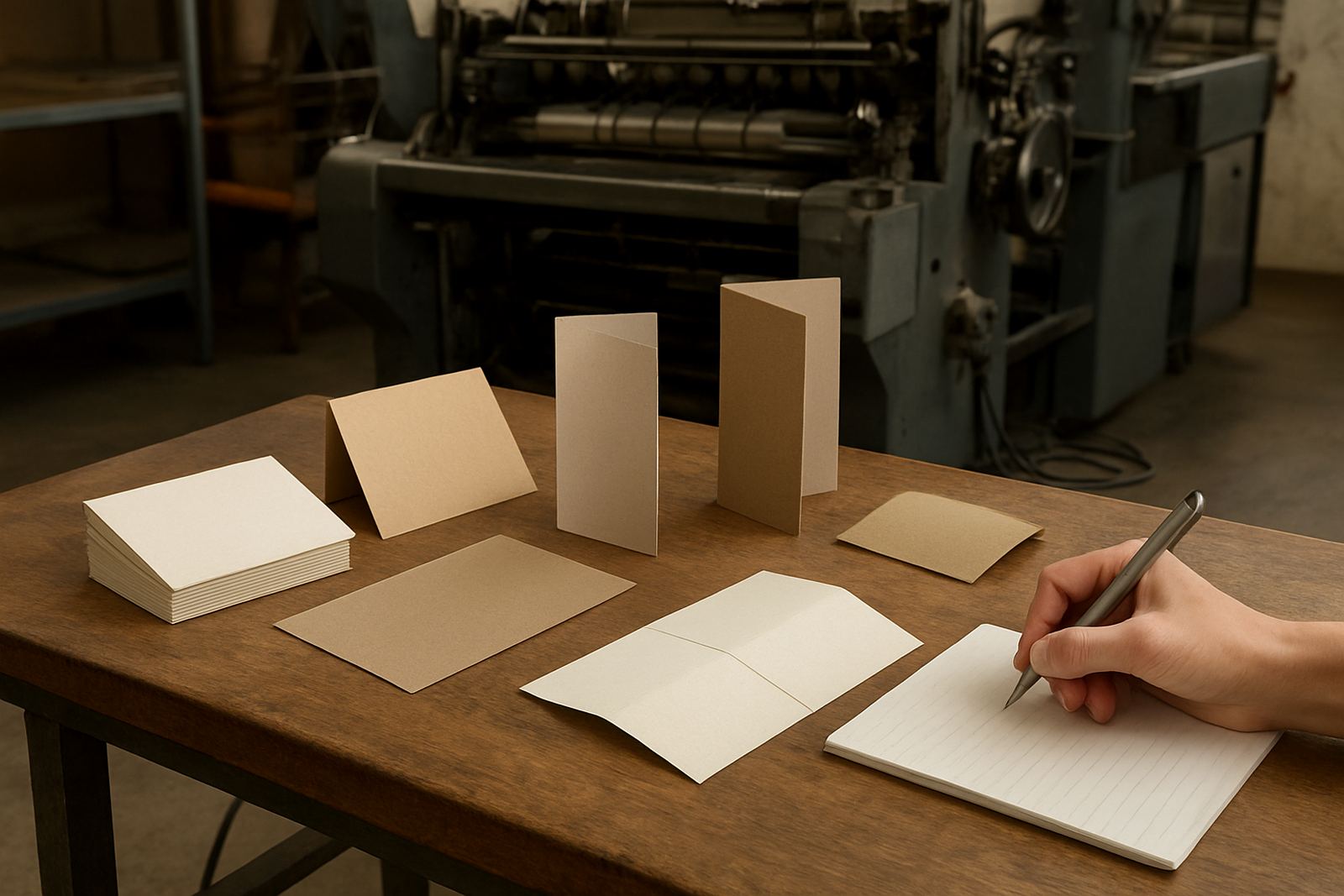
The structure of the brochure is where the cost starts. A simple bi-fold uses less finishing than a tri-fold with tight panel sizing, and a multi-page brochure needs more planning from the start. If the folds do not match the final artwork layout, the print can look cramped or text can end up in the wrong panel.
Common brochure formats include:
- 2 page single fold for price lists, open days and short service summaries
- 3 panel tri-fold for product ranges, service menus and company introductions
- 4 page folded booklet for more detailed offerings or event information
- 8 page or more for training handouts, retail launches and corporate profiles
The more pages you add, the more paper is used and the more time goes into trimming, folding and checking the final stack. If your content can be cut down without losing key information, the run often becomes cheaper and easier to distribute.
Paper choice affects both the look and the price
Paper is one of the biggest pricing variables in brochure work. Lighter paper can keep costs down and is useful for bulk handouts, but thicker stock gives a better feel for sales brochures, property packs and presentations. The right option depends on how the brochure will be used, whether it will be posted, stapled into packs or handed out at a counter.
In the West Rand, practical use matters. A brochure for a motor service business in Roodepoort may be handed out in a workshop and need good durability. A brochure for a school event in Mogale City might need to be cost-conscious because the run is large. If the brochure will be handled often, a heavier cover or a tougher sheet makes sense even if the unit price is higher.
Coated paper is usually better for photos, colour blocks and crisp graphics. Uncoated paper can suit a more text-heavy piece where writing space is needed. For businesses near the CBD and surrounding areas, the choice often comes down to a balance between presentation and budget, not just appearance.
- Heavier stock usually costs more but feels more professional
- Coated paper gives sharper colour for images and logos
- Light stock works well when quantity matters more than premium feel
- Special papers can raise cost fast, so use them only when they add real value
Quantity changes the unit price, but not in a straight line
Brochure run pricing usually drops per copy as quantity rises, because setup work is spread over more pieces. That said, the savings do not continue forever. At a certain point you may pay more overall for stock that will sit in a storeroom for months while the pricing or service details go out of date.
For many Randfontein firms, smaller repeat runs are safer than one large order. A contractor in Toekomsrus may need updated brochures every few months as services shift. A retail outlet in Greenhills may want a fresh run for each promotion cycle. In both cases, the real saving is not only on print cost but on avoiding waste.
It also helps to think in terms of distribution. If you need brochures for a roadshow, counter handouts, courier packs and a few reserve copies, the quantity should match that plan. Printing 500 when only 180 will be used this quarter can leave you with outdated stock and tied-up cash.
Artwork readiness can add or save money
Good artwork saves time and money. If the brochure layout is still being sorted, the job may need proofing updates, text reflow, image corrections or a complete redraw before it can go to print. That extra work is often the part clients forget to budget for, especially when the brochure is being rushed for a launch or a tender deadline.
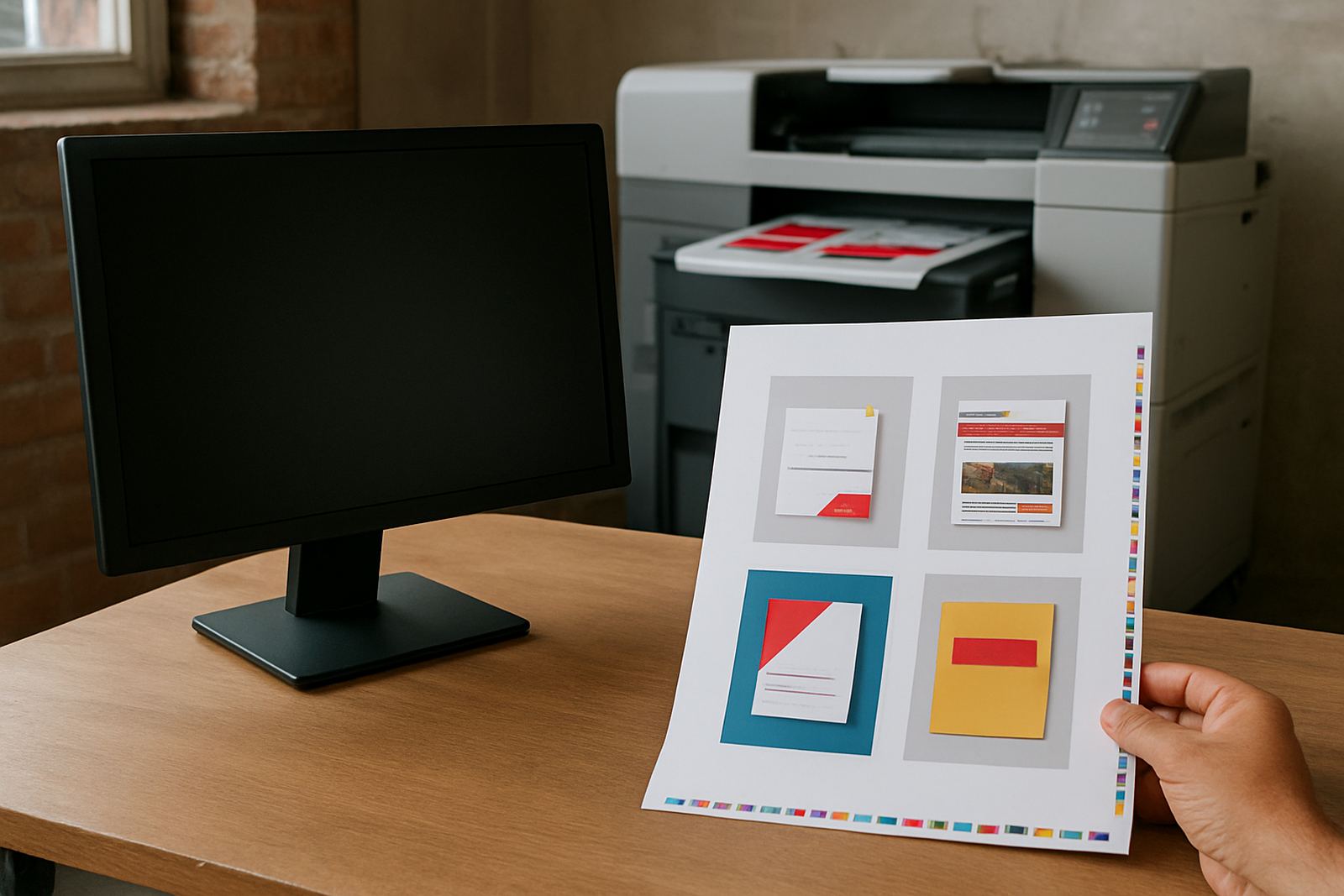
Print-ready artwork should already have the correct size, correct page order, bleed and safe margins. Images need enough quality for print and text must be checked for spelling, pricing and contact details. When this is sorted before production starts, turnaround is faster and the job is less likely to stall because of avoidable corrections.
- Keep all text final before design starts
- Use clear images with enough quality for print
- Check panel sizes on folded brochures before approval
- Allow for a proof so mistakes are caught early
Even a small wording change can affect line breaks and panel placement, so the cleaner the supplied material, the better the price and the timing.
A local example from a West Rand sales run
Say a Randfontein business needs 300 tri-fold brochures for a client visit in Krugersdorp on Friday, with delivery timed around load-shedding windows and the team needing the print in hand by Thursday afternoon. That job will be priced on the tri-fold structure, the paper chosen, the colour coverage, the number of proofs needed and whether the artwork is ready to go straight in.
If the same business then asks for 1,000 copies for a Westonaria campaign, the unit price may drop, but only if the brochure content will stay current long enough. If the offer changes every month, a smaller run is usually smarter. The cheaper option is not always the bigger stack it is the one that matches how the brochure will actually be used.
This is where a practical print shop helps. A clear brief, the right format and realistic quantity can keep the job within budget without cutting corners on finish. For many West Rand businesses, that balance matters more than chasing the lowest possible quote.
How to quote a brochure run properly
Before asking for pricing, decide what the brochure must do. Is it meant to sell, explain, welcome or quote? That purpose determines the number of pages, the fold, the stock and the quantity. If you are still unsure, start with the content and use the brochure format that fits the message instead of forcing the message into the cheapest layout.
A clear quote request should include the final size, number of pages, expected quantity, preferred paper, whether the job is folded or stitched, and whether design changes are still needed. The more detail you give, the more accurate the price will be. That saves back and forth and helps production move faster once the job is approved.
For businesses in Randfontein CBD and nearby areas like Mogale City, Roodepoort and Westonaria, the best brochure run is usually the one that balances paper, quantity and timing. Get those three right and the numbers make sense.
- Define the purpose before requesting a quote
- Choose the page count that fits the content
- Match the stock to how the brochure will be used
- Only print the quantity you can use in time