
What a receipt book does for your day to day records
A receipt book gives you a simple paper trail for money received, whether you run a small shop in Randfontein CBD, do repairs in Mogale City or collect rentals in Westonaria. Each book is set up with duplicate or triplicate pages so you can hand one copy to the customer and keep the other for your records. It is a practical option when you want proof of payment without relying on a system that needs power, data or a printer on the counter.
For many local businesses, receipt books are still the easiest way to record a transaction on the spot. They work well for deposits, service call fees, school functions, transport bookings and short term rentals. If your staff move between sites, a small book fits in a tool bag, vehicle cubby or till area and is easy to write in quickly, even during load-shedding.
- Suitable for cash sales and partial payments
- Useful for rentals, call out fees and service jobs
- Can be numbered for better record keeping
- Works without power, internet or extra equipment
Sizes, formats and print options that suit local businesses
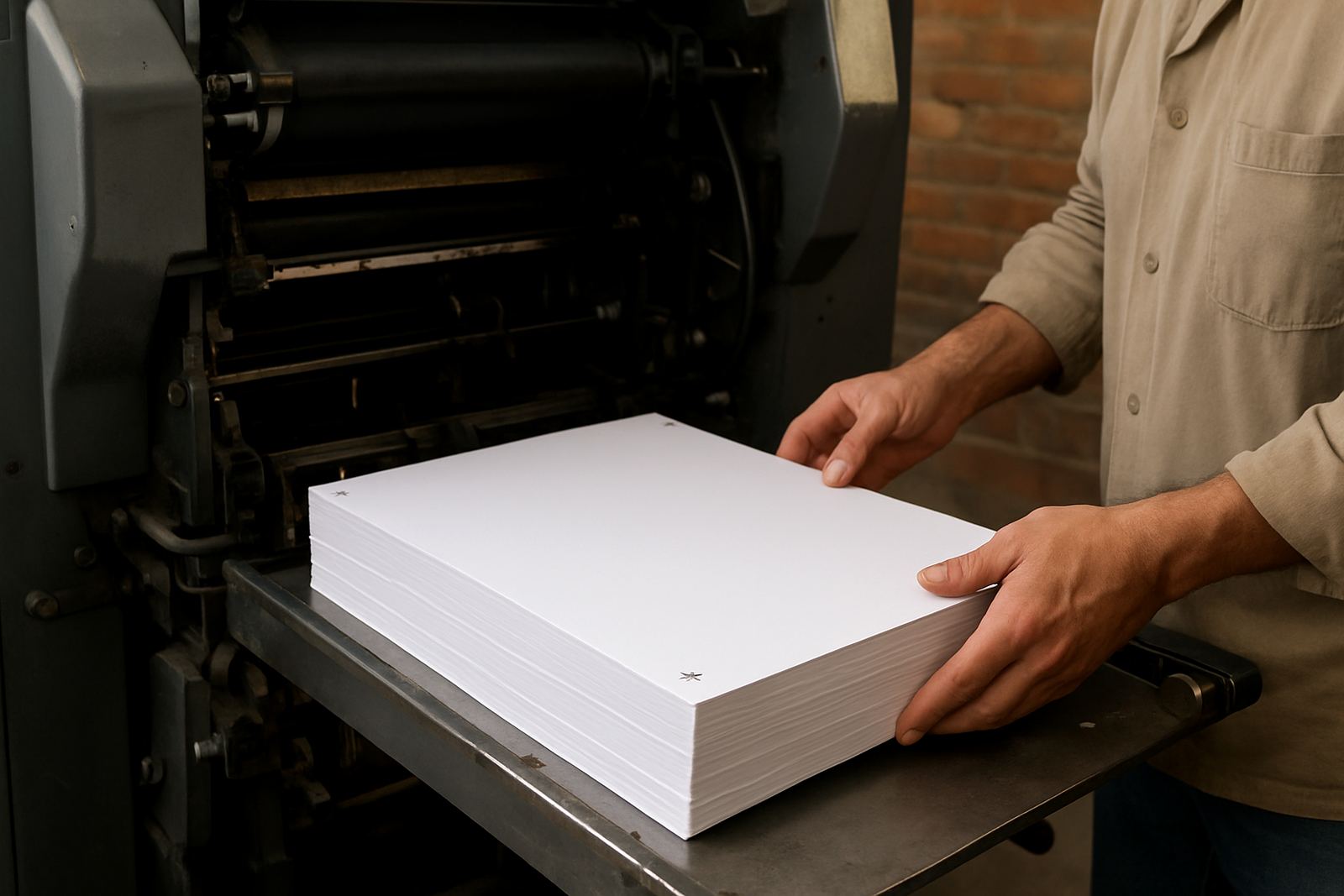
We print receipt books in common working sizes that are easy to carry and store. The most requested format is A6 because it is compact and neat, but A5 is also popular when you need more writing space for item details, VAT information or job notes. Books are usually made with carbonless sets so the details transfer cleanly from the top sheet to the second and third copies.
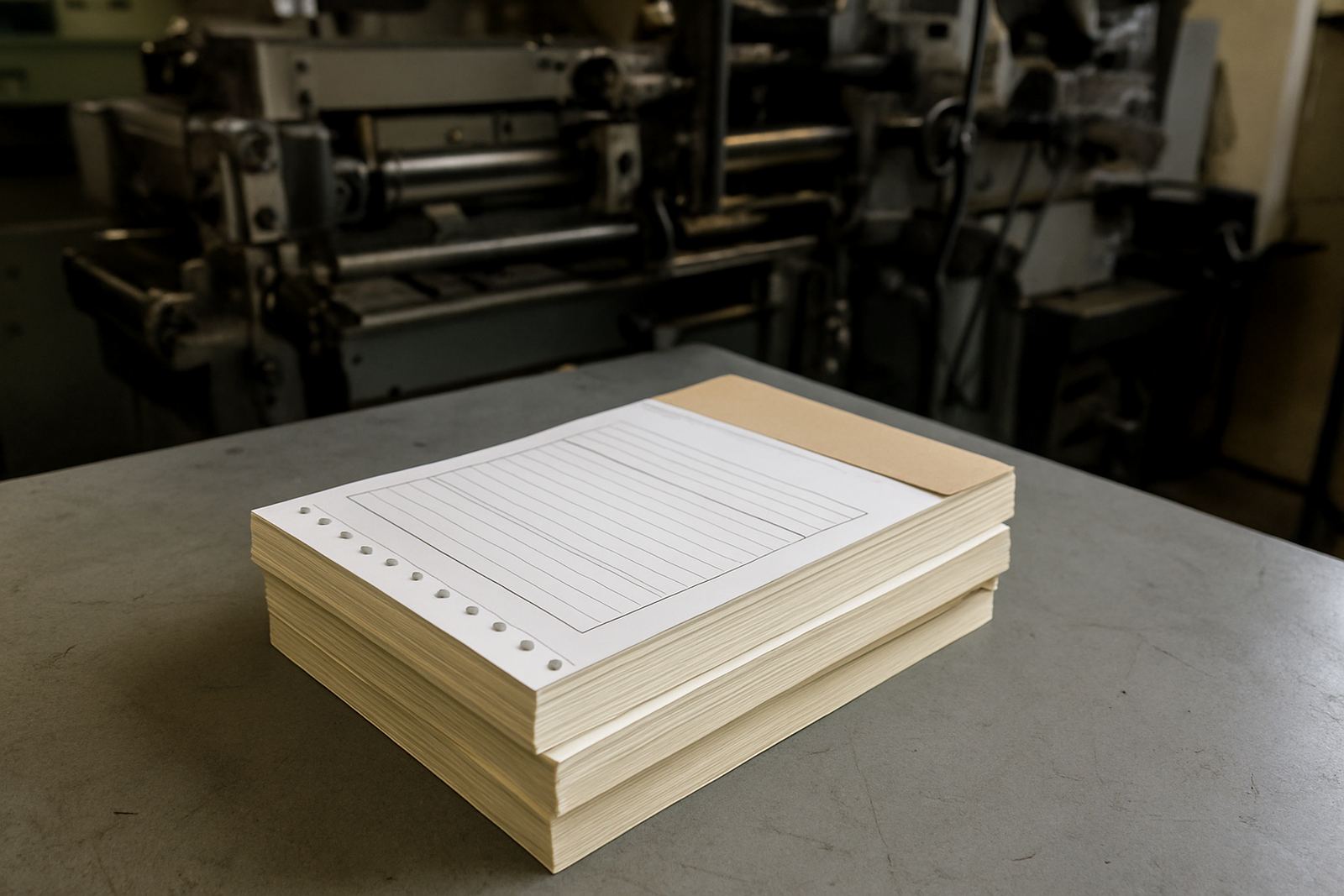
Where needed, we can set up the book with sequential numbering, your business name, contact details and space for a logo or job reference. If your work involves regular repeat clients in Roodepoort or Krugersdorp, that small bit of order helps when you are matching payments to jobs later. We can also include ruled sections for amount, date, method of payment and who received the money. It keeps the page clean and makes the book easier to read, even after a busy week.
- A6 or A5 size depending on how much detail you need
- Duplicate or triplicate sets
- Loose pad or glued book format
- Numbered pages for control and filing
- Custom fields for deposits, services and balance due
Where receipt books fit best in everyday operations
Receipt books are used across many local sectors because they are straightforward and dependable. Cash handling in small retail spaces, trades, deliveries, rentals, clinics, community projects and mobile services often needs a paper receipt right there and then. For businesses working around Randfontein, Greenhills, Toekomsrus and Mohlakeng, that means fewer gaps when a client wants proof of payment before leaving the premises.
They also help when you need a paper copy for compliance, audit checks or internal filing. If you run a business from a workshop, home office or a rented unit with limited space, receipt books take up very little room. They are also handy for teams that split shifts or work off site because the book can go with the staff member without any setup. Simple, but it saves time and that matters when the day is busy.
What to check before you place your order
The cleanest receipt book starts with the right information. Before we print, check the exact business name, registration details if you want them included, and the wording you need for your service or sale. If you use different branches or trading areas, decide whether the same book should cover all sites or whether each branch needs its own version. That helps avoid crossed-out details later.
It is also worth checking how many copies you need per transaction and whether you want space for signatures, stamp marks or a VAT field. If you issue receipts for deposits and final balances, we can arrange the layout so the amounts are easy to read. A quick proof before print saves hassle and keeps spelling, numbers and spacing in order.
- Confirm your business name and trading details
- Choose duplicate or triplicate copies
- Decide on numbering and starting number
- Check if you need VAT, signature or stamp fields
- Approve the layout before printing starts
How they are made and what they need on site
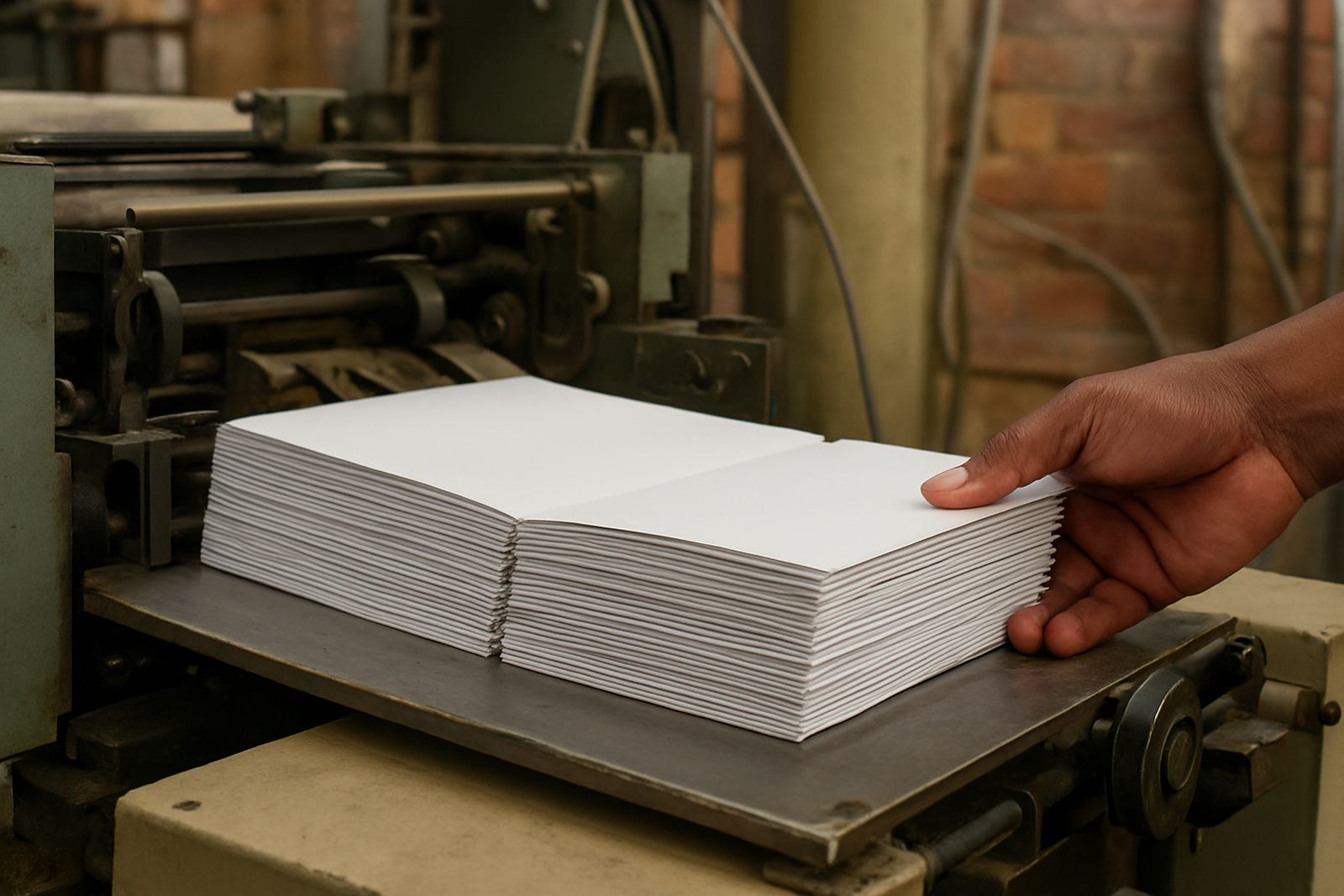
Receipt books need no installation, no power and no gas connection. They are printed, glued or padded, then cut and finished so the pages tear out cleanly. Because they are a paper product, they are ready to use as soon as you collect them or receive them from us. That makes them a useful backup for offices that lose electricity during the day or for field work where there is no printer nearby.
For best results, keep the books in a dry, flat place away from direct sun, damp floors and vehicle heat. In coastal humidity or in a storeroom that gets warm, the pages can curl if they are left open or packed badly. Store them upright or stacked neatly, and do not press them under heavy items. If the book is being used in a workshop or delivery vehicle, keep it in a folder or clipboard so the pages do not catch or smudge. A little care goes a long way there.
Care, servicing and what to do when books run low
Receipt books do not need servicing in the usual sense, but they do benefit from sensible handling. Tear out pages carefully along the perforation, keep the carbon paper or duplicate sheet aligned where used, and write with a pen that gives a clear mark. Soft gel pens and very blunt pens can make the duplicate copy faint. If a book gets wet, dusty or crushed, set it aside and use another one so your records stay readable.
When your stock starts running low, order in good time so you do not run out during month end or a busy patch. Many West Rand businesses keep one book in the office, one in a vehicle and one in reserve. That way the team is not stuck when the main book is full. It sounds small but it saves a lot of last minute trouble.
Key facts
| Product type | Custom printed receipt books |
|---|---|
| Common sizes | A6 and A5 |
| Copy options | Duplicate or triplicate carbonless sets |
| Finish | Padded or glued books with tear off pages |
| Personalisation | Business name, logo, numbering and custom fields |
| Best for | Cash sales, rentals, service calls and deposits |