The brief from a busy Krugersdorp field team
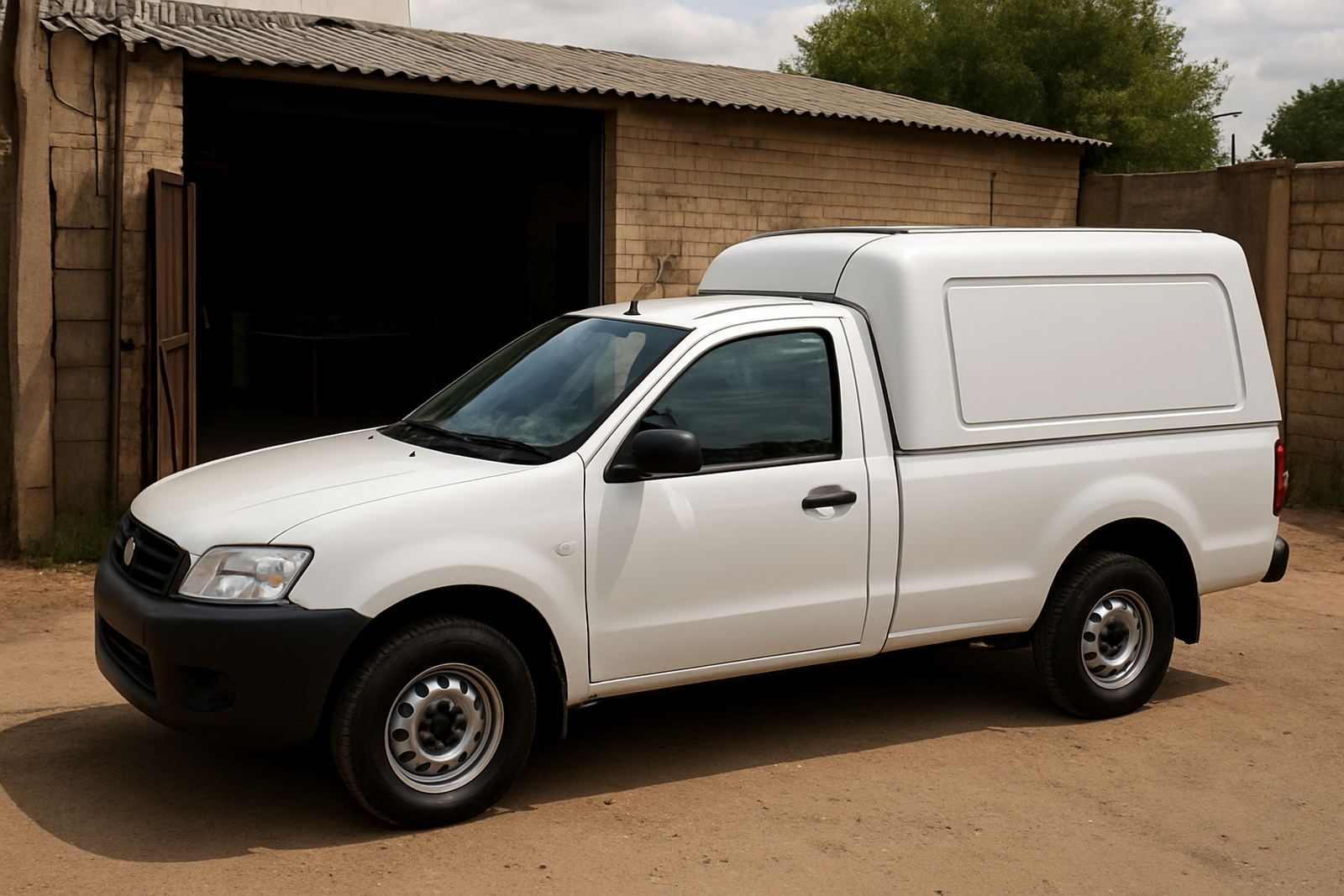
The client was a small service business working across Krugersdorp, with vehicles moving between homes, workshops and site visits every day. They wanted signage that made the vans easy to identify on the road, but they also needed the option to remove it after hours or on weekends. That meant no permanent wrap, no drilling, and no loose vinyl edges that could catch in the wind.
The main brief was simple: make the vehicles visible, keep the finish neat, and allow the magnets to be fitted and removed without damaging paintwork. The team also asked for something that would hold up in regular stop start driving, winter rain and the dust that builds up on West Rand roads. Because the vehicles were shared between staff, the signage had to be easy enough for anyone on site to place correctly without needing tools.
We were given a tight approval window and a clear set of priorities: sharp logo reproduction, readable wording at a distance, and a clean layout that would not look cluttered on a moving vehicle. The client also asked us to avoid tiny text, since most people would only have a second or two to read the side panels in traffic.
What the magnets had to cope with
Vehicle magnets look straightforward, but they need to be set up properly if they are going to stay put. On this job, the biggest constraint was the combination of daily movement, uneven weather exposure and the fact that the vehicles were not all the same make or body shape. We had to produce pieces that would sit flat on the panel, with enough grip to handle local conditions without lifting at the corners.
We also had to work around practical site issues. The client stores vehicles outdoors, so the panels collect dust and moisture. If a magnet is fitted onto a dirty surface, it can mark the paint or lose adhesion. We built the production notes around that and advised them on placement, cleaning and storage. It may sound basic, but with removable signage the small details matter more than people think.
- Outdoor use on passenger and light commercial vehicles
- Frequent removal and refitting during the week
- Exposure to rain, road grit and afternoon heat
- Need for readable branding at traffic speed
- No permanent adhesive on the bodywork
How we set up the artwork and print
We redrew the artwork to suit a magnetic format instead of simply shrinking an existing logo lock-up. That gave us better spacing, stronger contrast and a cleaner read from across the road. The vehicle name was kept large, with service wording underneath and contact details reduced to a size that still remained legible without overpowering the design.
For production, we used laminated magnetic sheets cut to the required panel sizes. The magnetic stock was specified for flat vehicle surfaces and trimmed with rounded corners to reduce the chance of lifting. The print was laid out in two matching side pieces so the team could install them consistently on each vehicle. We also checked colour balance closely, because small variations in print can become obvious once the signs are on a white or silver vehicle.
The files went through proofing before print, then the finished pieces were checked for edge quality and surface consistency before handover. That extra inspection step matters when you are supplying signage for a fleet, even if the fleet is only a handful of vehicles. A slightly rough cut or a warped edge can become a problem once the magnets are on the road every day.
- Magnetic sheet cut to panel size with rounded corners
- High-visibility digital print for short-range and traffic viewing
- Colour-checked artwork for repeat use across vehicles
- Proofed layout before production release
Timeline and turnaround for West Rand use
The full job ran over two weeks from first brief to handover. The first few days were spent confirming the layout, sizing and final wording. After approval, we moved into print and finishing, then checked the pieces against the vehicle measurements before release. Because the client needed to keep working during the week, we timed the job so the magnets could be collected and fitted without holding the team up.
Same-day or next-day requests are common in the West Rand, but a vehicle magnet job still needs the right sequence. If the panel dimensions are rushed, the final fit can be off by a few millimetres and that is enough to make the sign look untidy. We prefer to move quickly, but not at the cost of alignment or finish. This job was a good example of that balance.
Once the magnets were fitted, the client tested them on normal route work, including regular stops and short highway runs between appointments. The panels stayed flat, and the team could remove them at the end of the day without leaving residue or struggling with stubborn adhesive.
Results on the road and what the client gained
The finished vehicle magnets gave the business a clear on-road presence without forcing a permanent branding choice. That was the main value for the client: they could keep the vehicles private when needed, then put the company name back on in a few seconds before heading out for work. The result was tidy, practical and suited to the way the team actually operates.
From a business point of view, the magnets also helped with recognition. Clients in Krugersdorp are more likely to respond when they see the same name arriving on-site repeatedly, especially in residential areas where trust matters. A neat vehicle sign can do a lot of quiet marketing without saying much at all.
What stood out on this project was the usefulness of a removable format for a team that does not need full-time vehicle branding. The client got a professional finish without committing to a full wrap, and the vehicles stayed usable for other errands after hours. That made the spend easier to justify and the signage more flexible.
- Cleaner brand presence during daily service calls
- Easy removal for private use or after-hours parking
- No adhesive residue on the body panels
- Professional look at a lower commitment than a wrap
What we would repeat on the next magnet job
If we were doing the same kind of project again, we would follow the same approach: measure first, simplify the layout, and print for the actual vehicle surface rather than a generic template. That is especially important when the signage is going onto different vehicle models or when the team expects to remove and reapply the magnets regularly.
We would also keep the corners rounded, the wording large enough for street use, and the artwork strong enough to work in dull weather. Krugersdorp traffic, dust and rain can be hard on light signage, so the job needs to be practical from the start. A magnet that looks good in the office but peels at the edge is no use to anybody.
For field teams across Krugersdorp, Mogale City or Roodepoort, this kind of removable signage is often the right middle ground. It gives the business visibility, keeps the vehicle paint intact, and can be updated later if contact details or services change.
Key facts
| Project type | Vehicle magnet signage for a field service team |
|---|---|
| Area | Krugersdorp, West Rand |
| Turnaround | 2 weeks from brief to handover |
| Material | Outdoor magnetic sheet with printed finish |
| Format | Removable side panels with rounded corners |
| Use case | Daily route work with after-hours removal |